Every year, preventable accidents occur during equipment maintenance — workers injured or killed because machines were accidentally energized. The root cause? Incomplete or misunderstood lockout tagout (LOTO) procedures. A well-produced lockout tagout safety video isn’t just a training checkbox; it’s a frontline defense against catastrophic incidents.
Videos make complex safety protocols digestible. They demonstrate proper procedures, clarify responsibilities, and reinforce OSHA standards in a format employees actually engage with. In high-risk environments — manufacturing, chemical processing, utilities — a single lapse in LOTO can be fatal. That’s why the right safety video doesn’t just explain the rules — it changes behavior.
Here’s how to ensure your lockout tagout safety video delivers real-world impact.
Why Lockout Tagout Safety Videos Are Non-Negotiable
Lockout tagout is one of OSHA’s most frequently cited standards (29 CFR 1910.147). It mandates that energy sources — electrical, hydraulic, pneumatic, chemical, thermal — be isolated and secured before maintenance begins. Yet studies show up to 10% of workplace fatalities involve hazardous energy release, often due to procedural shortcuts or confusion.
A static handout won’t stop someone from bypassing a lock because “it’ll only take a minute.” But a 5-minute video showing a real technician getting crushed when a conveyor restarts unexpectedly? That sticks.
Video training bridges the gap between policy and practice. It shows: - How to identify all energy sources on a machine - Where to place locks and tags - Who is authorized to apply and remove them - What verification steps prevent re-energization
When workers see the correct sequence — isolation, lock application, tag placement, energy discharge, verification — demonstrated clearly, compliance becomes second nature.
Core Elements of an Effective LOTO Safety Video
Not all safety videos are created equal. Too many rely on outdated footage, robotic voiceovers, or abstract animations that fail to reflect real-world conditions. An effective LOTO video must be:
#### 1. Site-Specific or Industry-Appropriate Generic clips of an unknown factory don’t resonate. Employees need to see equipment similar to what they work on. A video for a paper mill should show large rollers and steam valves; a food processing plant video should include conveyors and mixers.
Example: A bakery chain created a LOTO video using footage from its own facilities. Technicians immediately recognized the ovens and dough mixers, making the training instantly relevant.
#### 2. Narrated with Clear, Confident Language Avoid jargon. Use plain terms: “turn off the breaker,” “place your personal lock,” “test the start button to confirm zero energy.” The narration should sound like a seasoned safety officer, not a script reader.
#### 3. Includes Real Demonstrations Show, don’t tell. Film actual maintenance staff following the full LOTO sequence. Include both correct actions and, optionally, a brief reenactment of a near-miss due to skipping a step.
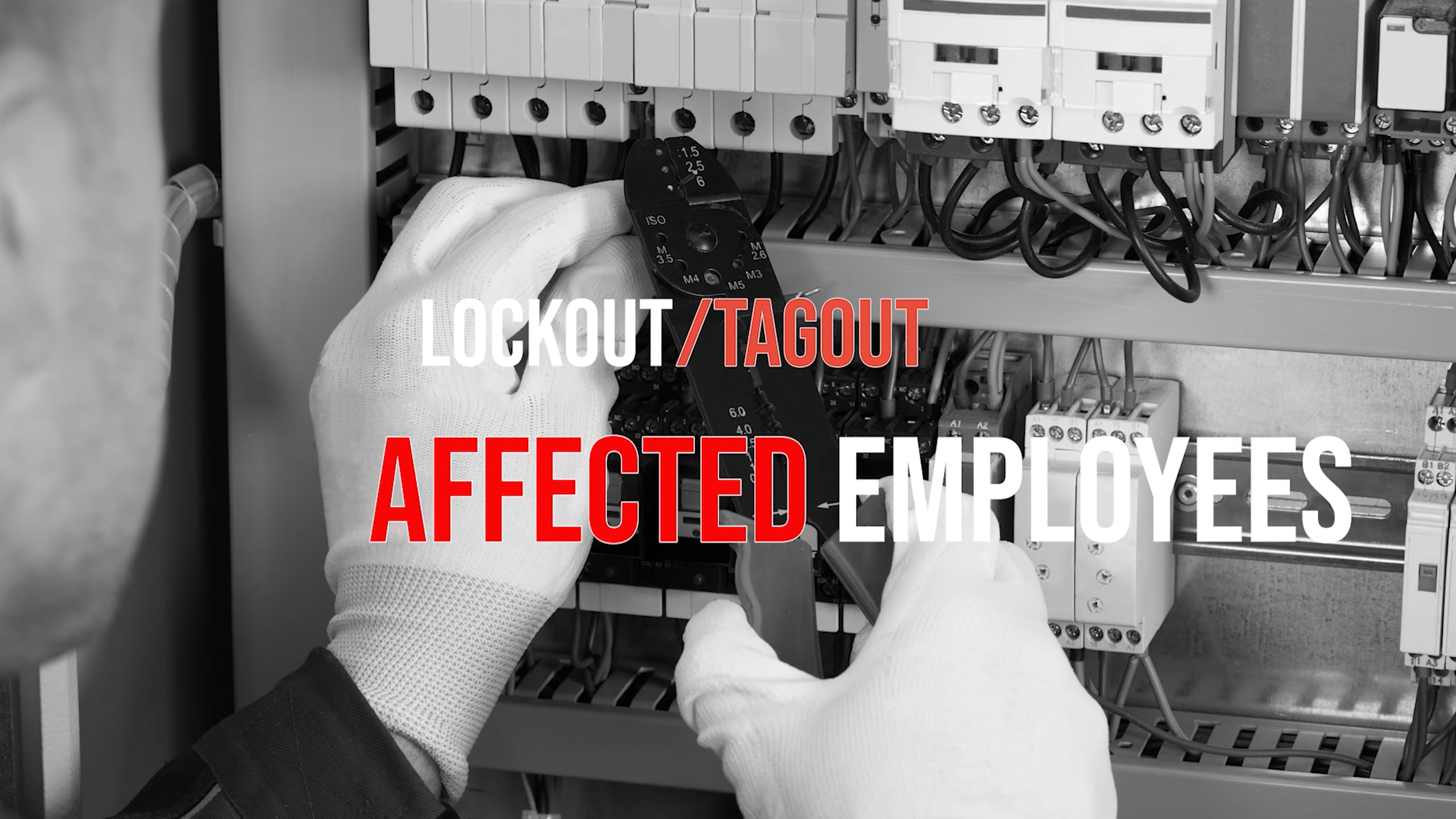
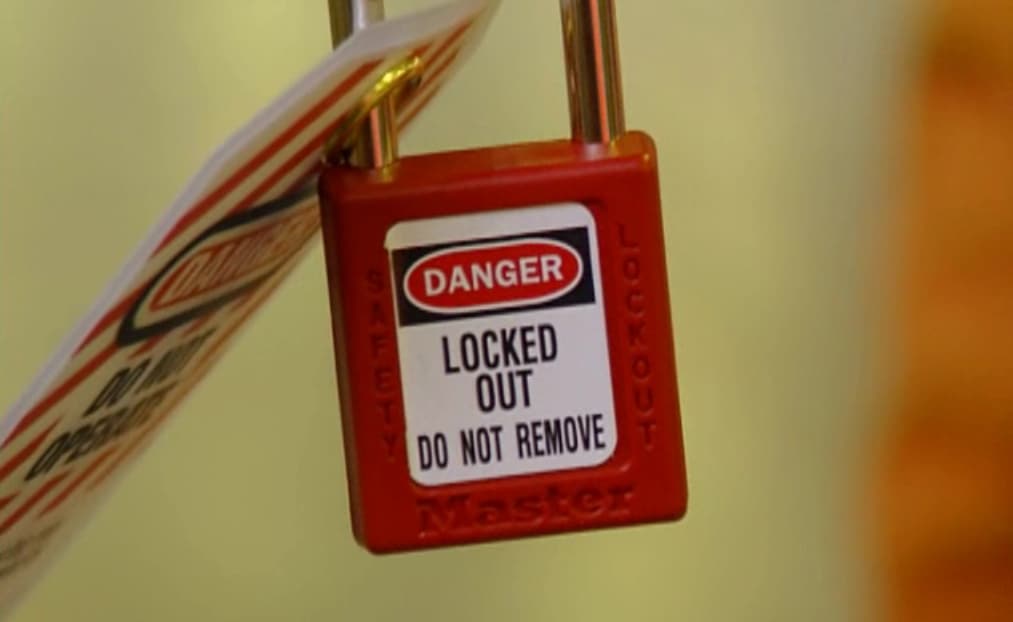
#### 4. Reinforces Accountability Highlight that each lock is personal and non-transferable. Show a supervisor verifying isolation before work begins. Emphasize that only the person who applied the lock can remove it — no exceptions.
#### 5. Aligns with OSHA and Internal Procedures Your video must reflect current regulations and your facility’s written energy control program. If your company requires dual verification for high-pressure systems, the video must show it.
When to Use a LOTO Safety Video — and When Not To
Video training is powerful, but it’s not a standalone solution. Here’s how to use it strategically:
Best Use Cases: - New hire orientation: Introduce LOTO concepts before on-the-job training - Annual refresher training: Reinforce procedures and update staff on policy changes - Onboarding temporary workers: Contractors and temps often lack LOTO experience — a video provides essential baseline knowledge - Multilingual workforces: Use subtitles or dubbed versions to ensure comprehension across language barriers
Where Video Falls Short: - Hands-on skill verification: Watching a video doesn’t prove someone can properly lock out a machine. Pair it with live demonstrations and sign-offs. - Complex or non-routine tasks: A standard video won’t cover every machine variant. Supplement with job-specific checklists. - High-turnover environments: In facilities with frequent staffing changes, videos must be easily accessible and frequently reinforced.
Real-world misstep: A warehouse used a 20-minute LOTO video during orientation but skipped practical drills. Months later, a new technician attempted to clear a jammed sorter without locking out — resulting in a severe hand injury. The video was compliant — but not effective.
How to Integrate LOTO Videos into Your Training Workflow
A safety video shouldn’t be a one-and-done event. Embed it into a structured training cycle:
- Pre-Viewing Quiz (5 min)
- Give a short multiple-choice quiz on basic LOTO concepts. This primes attention and identifies knowledge gaps.
- Video Screening (8–12 min)
- Play the video in a group setting or assign it via a learning management system (LMS).
- Post-Viewing Discussion (10 min)
- Ask questions:
- - “What would you do if you found a machine tagged but not locked?”
- - “Can a supervisor remove someone else’s lock in an emergency?”
- These discussions surface misunderstandings.
- Hands-On Practice
- Have each employee perform a mock lockout on real equipment. Verify their steps.
- Documentation
- Record completion in training logs. Include date, facilitator, and employee signature.
This blended approach — video + discussion + practice — meets OSHA’s requirement for both initial and periodic retraining.
Top 5 Lockout Tagout Safety Video Providers
While custom videos are ideal, off-the-shelf options work well for smaller operations or as supplements. Here are five reputable providers:
| Provider | Key Features | Best For |
|---|---|---|
| Pure Safety (by Brady) | Industry-specific videos, multilingual support, quizzes included | Manufacturing, utilities |
| MSA Safety | High-quality production, OSHA-aligned scripts, mobile-friendly | Oil & gas, chemical plants |
| J. J. Keller & Associates | Comprehensive safety library, LMS integration | Large enterprises with diverse sites |
| PureTech Systems | Short, focused modules (3–5 min), ideal for quick refreshers | High-turnover facilities |
| SafetyVideos.com | Affordable, customizable templates, fast delivery | Small to mid-sized businesses |
Pro Tip: Even when using a pre-made video, add a 60-second intro showing your facility’s LOTO coordinator explaining how the video applies to your site. This boosts engagement and relevance.
Common Mistakes in LOTO Video Training
Even compliant programs fail due to subtle flaws. Watch for these:
- Assuming comprehension equals retention
- Employees may pass a quiz after watching but forget steps under pressure. Reinforce with unannounced drills.
- Using outdated equipment footage
- A video showing old-style lockboxes won’t help workers using new digital tag systems.
- Ignoring group dynamics
- In group viewings, dominant personalities may answer questions — leaving others passive. Use anonymous polling tools to ensure participation.
- No follow-up
- Training that ends with “any questions?” and a signature rarely sticks. Schedule a 15-minute check-in a week later to review key points.
- Over-relying on animation
- Animated characters can feel detached. Real human actors in realistic settings increase emotional impact.
Making LOTO Training Stick Beyond the Screen
A video is a catalyst — not the entire solution. To build lasting safety culture:
- Post visual aids near machines: Quick-reference LOTO flowcharts or laminated checklists.
- Conduct surprise audits: Have safety officers verify lockout compliance during maintenance.
- Empower employees to speak up: Create a no-penalty system for reporting LOTO violations.
- Update videos annually: Retire outdated footage. Include new equipment and near-miss stories (with permission).
One automotive parts plant reduced LOTO incidents by 78% over two years by combining updated safety videos with monthly “safety spotlight” meetings where techs shared close calls.
Closing: Action Steps to Strengthen Your LOTO Program
- Don’t let your lockout tagout safety video gather digital dust. Act now:
- Audit your current training — is your video still relevant?
- Replace generic content with site-specific or industry-accurate footage.
- Pair video with hands-on practice and documentation.
- Schedule refreshers every 12 months — or sooner if incidents occur.
- Empower every worker to own their safety: one lock, one tag, one life.
A powerful LOTO safety video doesn’t just check a regulatory box — it saves lives. Make sure yours does.
FAQ
Why is a lockout tagout safety video necessary? It visually demonstrates life-saving procedures, improves compliance, and ensures consistent training across teams.
Can a LOTO video replace hands-on training? No. It must be paired with live demonstration and verification to meet OSHA requirements.
How long should a LOTO safety video be? Ideal length is 8–12 minutes — long enough to cover key steps, short enough to maintain attention.
Should LOTO videos be customized to our facility? Yes. Site-specific content increases relevance and retention. At minimum, use industry-appropriate examples.
Who needs to watch the LOTO safety video? All authorized employees who perform maintenance, plus affected workers who operate or use the equipment.
How often should the video be updated? Review annually. Update if equipment, procedures, or regulations change.
Can we use free LOTO videos from YouTube? Proceed with caution. Many lack OSHA alignment, contain errors, or use irrelevant examples. Use only vetted, professional sources.
FAQ
What should you look for in Lockout Tagout Safety Video Essentials for Compliance? Focus on relevance, practical value, and how well the solution matches real user intent.
Is Lockout Tagout Safety Video Essentials for Compliance suitable for beginners? That depends on the workflow, but a clear step-by-step approach usually makes it easier to start.
How do you compare options around Lockout Tagout Safety Video Essentials for Compliance? Compare features, trust signals, limitations, pricing, and ease of implementation.
What mistakes should you avoid? Avoid generic choices, weak validation, and decisions based only on marketing claims.
What is the next best step? Shortlist the most relevant options, validate them quickly, and refine from real-world results.