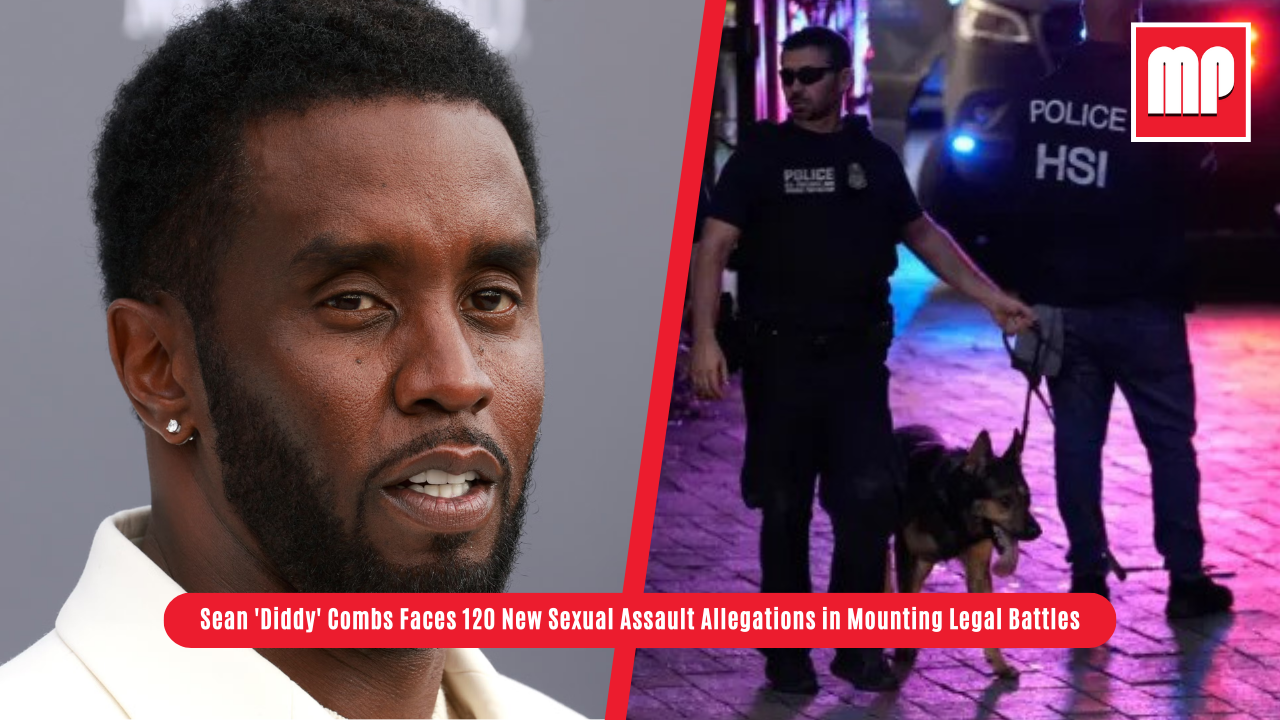
Sean “Diddy” Combs is once again at the center of a legal firestorm, as fresh accusations of sexual battery and false imprisonment threaten to unravel his legacy. This time, the allegations don’t come solely from former associates or anonymous sources—they include claims from music producers and a troubled rapper now stepping forward with disturbing accounts. What’s more alarming is that Diddy has reportedly shut down direct responses from music producers who attempted to corroborate or challenge the claims, raising questions about transparency and power dynamics in the entertainment industry.
The latest wave of accusations isn’t just another headline in a long line of celebrity scandals—it’s a signal of shifting cultural tides. With the #MeToo movement still influencing public perception and courts increasingly holding powerful figures accountable, Diddy’s situation may mark a turning point for hip-hop’s long-untouched power structures.
The Allegations That Shook the Industry
At the heart of the controversy are multiple lawsuits filed in federal court detailing incidents spanning over a decade. The most explosive claim comes from a rapper known for his erratic public behavior and past legal issues. He alleges he was held against his will at one of Diddy’s properties and subjected to non-consensual acts under threat of career sabotage. While his credibility has been questioned due to past inconsistencies, the case includes forensic evidence and witness testimony that law enforcement is now reviewing.
Simultaneously, two former music producers—both of whom worked on major Bad Boy Records releases in the early 2000s—have come forward with similar stories. One claims he was coerced into silence after witnessing inappropriate conduct during a late-night studio session. The second alleges he was pressured into recording audio logs that could later be used to discredit others, a tactic described as “studio intimidation.”
Both producers state they were threatened with blacklisting if they spoke out. Only now, with growing public scrutiny and new legal protections for whistleblowers, have they felt safe to share their experiences.
Why These Claims Carry More Weight Now
Unlike past rumors or tabloid speculation, these allegations are backed by documentation. Among the evidence reportedly submitted to investigators: - Timestamped studio logs placing individuals at Diddy-owned properties during alleged incidents - Deleted text message threads recovered through forensic analysis - Audio drafts with voice verification linking discussions to coercive behavior - Testimonies from security staff and former employees with non-disclosure agreements (NDAs) now expired
The legal strategy here differs sharply from previous celebrity cases. Instead of relying on anecdotal claims, the plaintiffs are building a circumstantial case supported by digital footprints—an approach that has proven effective in recent high-profile trials involving public figures.
Diddy’s Response: Silence, Denial, and Strategic Shutdown
Sean Combs has not issued a direct public statement addressing the specific allegations. Instead, his legal team has filed motions to dismiss parts of the suits, calling them “opportunistic” and “devoid of credible evidence.” More notably, Combs’ camp has taken aggressive action to block music producers from speaking publicly, citing breach of confidentiality and alleged violations of past contracts.
This move has sparked backlash. Industry insiders argue that enforcing NDAs in cases involving alleged criminal behavior crosses an ethical line. “You can’t trademark abuse,” said one entertainment lawyer who requested anonymity. “Confidentiality agreements were never meant to protect predators—they were meant to protect business strategies.”
Diddy’s silence speaks volumes. Where other celebrities have used press conferences, social media, or pre-emptive interviews to shape narratives, Combs has chosen a path of legal containment. Whether this is a calculated legal defense or a sign of vulnerability remains unclear.
The Pattern of Suppression
Multiple sources within the music production community confirm a long-standing culture of fear around speaking against Diddy. Producers who worked on hits for The Notorious B.I.G., Faith Evans, and even later artists like Cassie have described an environment where loyalty was enforced through isolation, contract leverage, and threats to creative credit.
One veteran producer, who worked on No Way Out, recalled being cut from royalty payments after refusing to sign an expanded NDA following a studio incident. “They said it was about ‘protecting the brand,’” he said. “But when someone’s brand is built on fear, that’s not protection—it’s control.”
This pattern suggests a systemic issue—one that may extend beyond individual allegations to the broader ecosystem of power in music production.
The Role of the Troubled Rapper: Credibility vs. Context
The rapper at the center of the false imprisonment claim has a history that complicates the case. Known for volatile behavior and substance-related arrests, his past statements have been inconsistent. Critics argue he’s leveraging the current moment for attention or legal leniency in unrelated matters.
Yet dismissing him entirely may be a mistake. Legal experts note that trauma, especially when compounded by mental health struggles, often manifests in erratic behavior. “A victim’s credibility isn’t erased because they’ve had a hard life,” said Dr. Lena Pruitt, a forensic psychologist. “If anything, their vulnerability makes them more susceptible to exploitation.”
Moreover, the details he provides align with known aspects of Diddy’s private routines—late-night studio lock-ins, restricted access to phones, staff instructed to “keep things quiet.” These operational patterns suggest a framework where abuse could occur without immediate detection.
Industry Fallout: What This Means for Hip-Hop
Diddy isn’t just a musician—he’s a mogul. His influence stretches from music to fashion, from branding to youth culture. That makes these allegations more than a personal scandal; they’re a reckoning for an industry long criticized for shielding abusive figures.
Other artists are already distancing themselves. A major streaming platform quietly removed Diddy from a curated hip-hop legacy playlist. Several brands that once partnered with him have paused collaborations. Most telling? No prominent artist has publicly defended him.
This silence is significant. In past industry controversies—such as those involving R. Kelly or Russell Simmons—peer support often shaped public perception. The absence of it now suggests a shift: artists are no longer willing to overlook abuse for the sake of legacy or loyalty.
The Producer Power Shift
One unexpected consequence of these allegations is renewed attention on music producers—the often-invisible architects of hit records. Long undercredited and underpaid, producers are now being seen as key witnesses in uncovering backstage truths.
Groups like the Recording Academy’s Producer & Engineer Wing are calling for stronger protections. “We need standardized contracts, mental health resources, and real pathways to report abuse,” said one board member. “No more ‘studio codes of silence.’”

This moment could redefine power dynamics in music creation—giving producers not just credit, but agency.
Legal Implications: What’s Next in the Case
The lawsuits are now in the discovery phase, with subpoenas issued for phone records, studio security footage, and financial transactions. Given the federal nature of some claims—particularly those involving interstate coercion and evidence tampering—this could evolve into a multi-year legal battle.
Potential outcomes include: - Settlements with confidentiality clauses (unlikely, given the public nature) - Criminal charges if prosecutors find sufficient evidence - Civil judgments resulting in financial liability - Industry sanctions, including Grammy disqualifications or removal from boards
One major hurdle: the statute of limitations. Some alleged incidents occurred over 20 years ago. However, several states now allow delayed prosecution in cases involving psychological coercion or repressed memory, which could keep older claims viable.
Cultural Reckoning: Beyond the Lawsuits
This isn’t just about Diddy. It’s about a generation of artists who grew up idolizing him—viewing Bad Boy as a symbol of Black excellence and entrepreneurial success. To question his character is, for many, to question a piece of their own identity.
But culture evolves. The same fans who once chanted “Bad Boy for life” are now demanding accountability. Social media campaigns like #BelieveTheCreators and #StudioSurvivors are amplifying voices that were once silenced.
Hip-hop has always prided itself on truth-telling—on “keeping it real.” Now, it faces the hardest truth of all: that some of its icons may have built empires on exploitation.
Conclusion: Accountability Is Inevitable
Sean Combs’ latest legal drama isn’t an isolated incident. It’s the culmination of decades of unchecked power, silenced voices, and an industry that prioritized image over integrity. Whether he’s found legally liable or not, the damage to his reputation is already profound.
For the music world, this moment is a wake-up call. It’s time to stop protecting legends at the expense of victims. It’s time to give producers, assistants, and young artists the protection they deserve. And it’s time to redefine what legacy truly means.
If there’s one lesson from Diddy’s downfall, it’s this: no brand is bigger than justice.
FAQ
What are the main allegations against Diddy? Diddy is accused of sexual battery and false imprisonment by a troubled rapper, with supporting claims from music producers who say they witnessed or were threatened over misconduct.
Has Diddy responded to the allegations? Diddy has not issued a direct public statement. His legal team has filed motions to dismiss parts of the lawsuits, calling them baseless.
Why are music producers involved in the case? Producers claim they were present during questionable incidents and were later silenced through NDAs, threats, and contract manipulation.
Can past incidents still be prosecuted? Yes, under certain state laws that allow delayed prosecution in cases involving psychological coercion or repressed memory.
Are there any recordings or physical evidence? Reportedly, yes—recovered text messages, studio logs, and audio drafts have been submitted as part of the evidence.
How has the music industry reacted? Many brands and platforms have distanced themselves from Diddy; no major artist has publicly defended him.
Could this affect Diddy’s business empire? Absolutely. Legal liability, reputational damage, and loss of partnerships could significantly impact Bad Boy Records and affiliated ventures.
FAQ
What should you look for in Diddy's Legal Troubles Escalate Amid New Allegations? Focus on relevance, practical value, and how well the solution matches real user intent.
Is Diddy's Legal Troubles Escalate Amid New Allegations suitable for beginners? That depends on the workflow, but a clear step-by-step approach usually makes it easier to start.
How do you compare options around Diddy's Legal Troubles Escalate Amid New Allegations? Compare features, trust signals, limitations, pricing, and ease of implementation.
What mistakes should you avoid? Avoid generic choices, weak validation, and decisions based only on marketing claims.
What is the next best step? Shortlist the most relevant options, validate them quickly, and refine from real-world results.