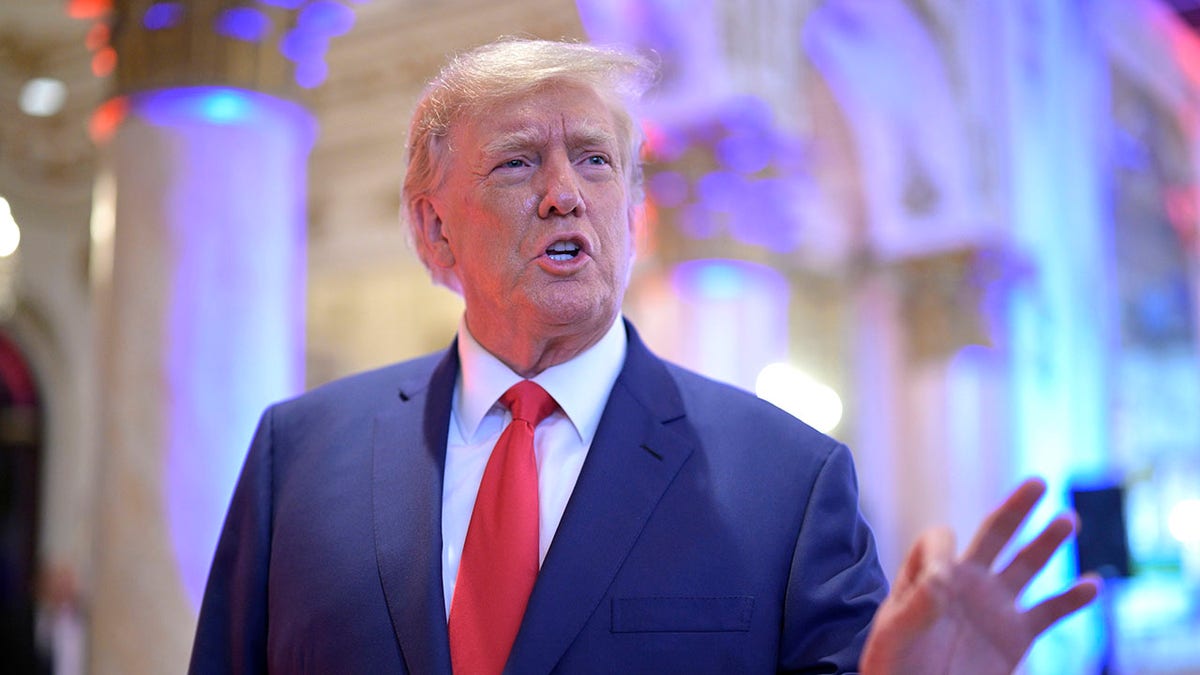
Donald Trump erupted in fury after a 60 Minutes anchor read excerpts from the alleged gunman’s manifesto during a recent broadcast. The segment, intended to dissect the motivations behind a politically charged attack, ignited a firestorm — not just for its content, but for Trump’s blistering response. He didn’t just criticize the network. He accused CBS of giving a killer a platform, amplifying extremist rhetoric, and endangering public figures through irresponsible journalism.
This wasn’t just another media feud. It cut to the core of how networks report on politically sensitive violence — and how public figures react when they feel directly implicated.
The Moment That Sparked the Outrage
During a 60 Minutes investigation into a failed assassination attempt on Donald Trump, anchor Lesley Stahl read passages from a document believed to be authored by the alleged shooter. The manifesto contained anti-Trump rhetoric, conspiracy theories, and violent ideation. The intent, likely, was contextual: to understand the shooter’s mindset and the broader threat landscape facing political leaders.
But for Trump and his supporters, the act of reading the text verbatim crossed a line. In a statement released through his campaign, Trump said: “They are giving a voice to a would-be assassin. That’s not journalism — that’s complicity.” He went further on social media, calling the broadcast a “disgrace” and accusing CBS of “promoting hate under the guise of reporting.”
The backlash wasn’t uniform. Some viewers agreed that airing the manifesto risked glorifying the attacker. Others argued that suppressing such material could hinder public understanding of domestic extremism.
Why Reading Manifestos Is a Journalistic Minefield
Media outlets have long grappled with how to handle extremist manifestos. The core dilemma: inform the public without amplifying hate.
When outlets read or publish such texts in full, they risk:
- Inspiring copycats — violent manifestos often seek notoriety.
- Normalizing extremist rhetoric — repetition can desensitize audiences.
- Centering the attacker — shifting focus from victims to perpetrators.
Yet, ignoring them entirely has dangers too. Journalists argue that:
- Manifestos can reveal ideological networks or radicalization patterns.
- Redacted reporting may obscure the truth of a threat.
- The public has a right to know what motivated an attack.
60 Minutes attempted a middle ground — reading select excerpts while condemning the violence. But critics say even curated quotes can serve the attacker’s goal of spreading their message.
Consider the 2019 Christchurch mosque shooter, whose manifesto was widely shared online. Platforms and news outlets later faced criticism for inadvertently boosting his reach. In response, many adopted policies to avoid quoting such documents unless absolutely necessary.
Trump’s reaction, while heated, taps into a real concern: when does reporting become amplification?
Trump’s History
With Media Confrontations
This is not the first time Trump has lashed out at journalists. Throughout his presidency and beyond, he’s labeled unfavorable coverage as “fake news” and referred to the press as “enemies of the people.”
But this incident differs. Instead of attacking reporting on policy or polls, he’s challenging the method of coverage — the decision to voice a killer’s words.

His critique echoes a broader conservative narrative that mainstream media enables extremism by platforming radical views, even in the name of objectivity. On the right, some praised Trump for calling out what they see as media overreach. “They gave him a 10-minute monologue,” said one commentator on Newsmax. “That’s not reporting — that’s recruitment.”
Still, media ethicists warn against conflating coverage with endorsement. “Reading a quote isn’t the same as agreeing with it,” said Dr. Ellen Rosen, a journalism professor at Northwestern. “The issue isn’t whether they mentioned the manifesto — it’s how they framed it.”
In this case, 60 Minutes included expert analysis and emphasized the shooter’s instability. But the visual of a respected anchor calmly reciting violent text left many viewers uneasy.
How Networks Balance Coverage and Responsibility
Newsrooms don’t take these decisions lightly. At CBS, internal discussions reportedly preceded the 60 Minutes segment. Editors weighed the manifesto’s relevance against the risk of dissemination.
Their reasoning, likely, was this: the document offered insight into how political rhetoric can be twisted by unstable individuals. By analyzing the text, they could expose its incoherence and warn viewers about radicalization patterns.
But their approach raises questions:
- Could key points have been paraphrased instead of quoted?
- Was enough context given about the shooter’s mental state?
- Did the segment inadvertently validate the idea that Trump was a central target of political hatred?
In contrast, outlets like the BBC and The New York Times have adopted strict guidelines. They typically avoid quoting manifestos directly, instead summarizing content and linking to official reports.
For example, after the 2018 Pittsburgh synagogue shooting, The New York Times described the shooter’s online posts without reproducing them in full. The goal: inform without inflaming.
60 Minutes, known for its long-form, confrontational style, may have miscalculated the emotional impact of hearing the words spoken aloud.
The Political Fallout and Public Reaction
Trump’s response didn’t stay confined to social media. Allies quickly echoed his outrage. Rep. Marjorie Taylor Greene called the broadcast “an act of aggression,” while Sean Hannity devoted an entire segment to dissecting what he called CBS’s “bias and recklessness.”
Meanwhile, Democratic figures walked a tighter line. Some condemned the attack and the manifesto’s content, but stopped short of criticizing the reporting. “We must understand threats without elevating terrorists,” said Senator Chris Murphy.
Public reaction was split. On Reddit’s r/politics, users debated whether the network crossed a line. On X (formerly Twitter), hashtags like #Censorship and #FreePress trended in opposing communities.
A YouGov poll conducted days after the broadcast found that 44% of Republicans believed the media was “responsible” for inciting violence by airing extremist content — up from 32% a year prior. Among Democrats, 68% said news outlets have a duty to report such material for transparency.
The divide reflects a deeper crisis in media trust — one that incidents like this only deepen.
What This Means for Future Coverage of Political Violence
The 60 Minutes controversy sets a precedent. As political violence grows in frequency, newsrooms will face more decisions like this.
Key considerations moving forward:
- Use quotes sparingly — only when essential to understanding.
- Prioritize context — explain the document’s origins, inconsistencies, and dangers.
- Avoid sensationalism — no dramatic readings or on-screen text displays.
- Center victims and prevention — shift narrative away from the attacker.
Some networks are already adapting. CNN, after criticism for its coverage of mass shootings, now consults with psychologists before airing manifestos. Reuters avoids quoting them entirely unless law enforcement releases them officially.
Trump’s outburst, however inflammatory, underscores a public demand for more thoughtful handling of extremist content. Journalists must balance transparency with responsibility — a line that’s getting harder to walk.
The Bigger Picture: Rhetoric, Media, and the Risk of Violence
This incident isn’t just about one broadcast. It’s a symptom of a fractured information ecosystem where political figures, media, and extremists all compete for narrative control.
Trump has long used incendiary language — calling opponents “vermin” or “traitors.” Critics argue such rhetoric primes audiences for violence. Supporters say it’s rhetorical flourish, not incitement.
Now, when a disturbed individual cites that rhetoric in a manifesto, the cycle intensifies. The media reports it. The politician denounces the media. The audience picks sides.
Breaking this loop requires:
- Leaders moderating their language, especially when discussing opponents.
- Media applying stricter ethical filters, particularly in violent contexts.
- The public demanding accountability from both politicians and journalists.
No party is blameless. But every actor has a role in de-escalation.
Moving Forward: A Call for Responsibility
The 60 Minutes segment and Trump’s response highlight a critical challenge in modern discourse: how to report on political violence without fueling it.
For journalists, the lesson is clear — context, restraint, and ethical judgment must guide coverage of extremist documents. For public figures, outrage should be tempered with recognition that rhetoric has consequences.
And for the audience? Stay critical. Question intent. Reject sensationalism.
This isn’t about censorship. It’s about responsibility — in speech, in reporting, and in citizenship.
FAQ
Why did Trump react so strongly to the 60 Minutes segment? Trump viewed the reading of the manifesto as giving a platform to a would-be assassin, which he saw as both dangerous and unethical journalism.
Did 60 Minutes endorse the manifesto by reading it? No, the network included condemnatory context and expert analysis, but the act of quoting it still raised ethical concerns.
Is it ever acceptable for news outlets to quote a shooter’s manifesto? Only when necessary for public understanding, and only with strong context, warnings, and minimal direct quotation.
How do media guidelines differ on handling manifestos? Outlets like the BBC and The New York Times avoid direct quotes, while programs like 60 Minutes may use them sparingly for impact.
What impact does airing manifestos have on public safety? It can inspire copycat attacks, spread extremist ideas, and increase fear — making careful editorial judgment essential.
Has Trump previously accused the media of inciting violence? Yes, he has long criticized media coverage as biased and dangerous, though this instance focused on platforming an attacker’s words.
What can journalists do to report responsibly on political violence? Summarize rather than quote, emphasize the attacker’s instability, and focus on prevention and societal impact.
FAQ
What should you look for in Trump Slams 60 Minutes Anchor Over Manifesto Reading? Focus on relevance, practical value, and how well the solution matches real user intent.
Is Trump Slams 60 Minutes Anchor Over Manifesto Reading suitable for beginners? That depends on the workflow, but a clear step-by-step approach usually makes it easier to start.
How do you compare options around Trump Slams 60 Minutes Anchor Over Manifesto Reading? Compare features, trust signals, limitations, pricing, and ease of implementation.
What mistakes should you avoid? Avoid generic choices, weak validation, and decisions based only on marketing claims.
What is the next best step? Shortlist the most relevant options, validate them quickly, and refine from real-world results.